Shop Your House First · No. 10 of 20
The Produce Rescue Guide
Limp, ripe, spotted or gone: read the stage, pick the rescue, and know the line where you let it go. Reviving, freezing, banana bread, applesauce and the mold rules.
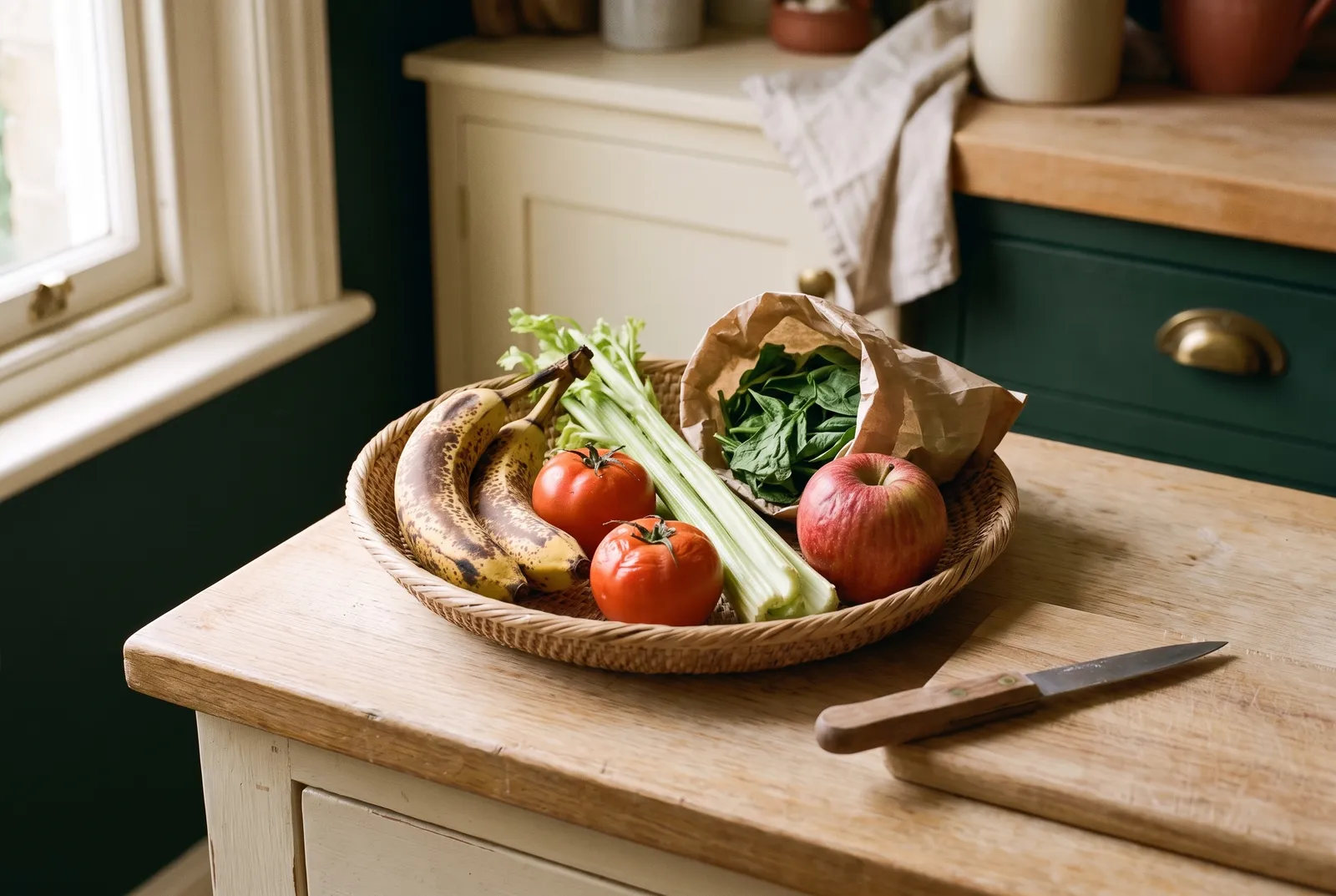
Produce doesn’t go bad all at once. It goes limp, then soft, then spotty, and only then does it actually go bad. Every one of those stages has a rescue, and most of them take less time than the drive to the store to replace it. This is a field guide to reading the drawer: what stage it’s at, what to do about it, and the clear line where you stop rescuing and let it go.
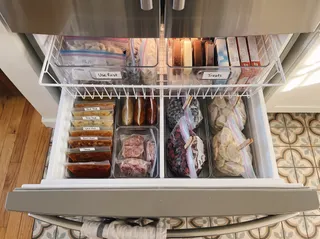
In No. 01 you made a Use first spot for what needs eating soon. Produce is the reason it exists. Check it every couple of days and catch things one stage early: a limp stalk of celery is a 1-hour fix, while a slimy one is compost.
The one ruleCatch it one stage earlier.
Every stage has a rescue, but the rescues get bigger as you go: water fixes limp, the oven or the freezer fixes ripe, a knife fixes a spot. Nothing fixes mold on a soft tomato. So the trick isn’t knowing every recipe; it’s looking in the drawer often enough to catch things while the rescue is still small.
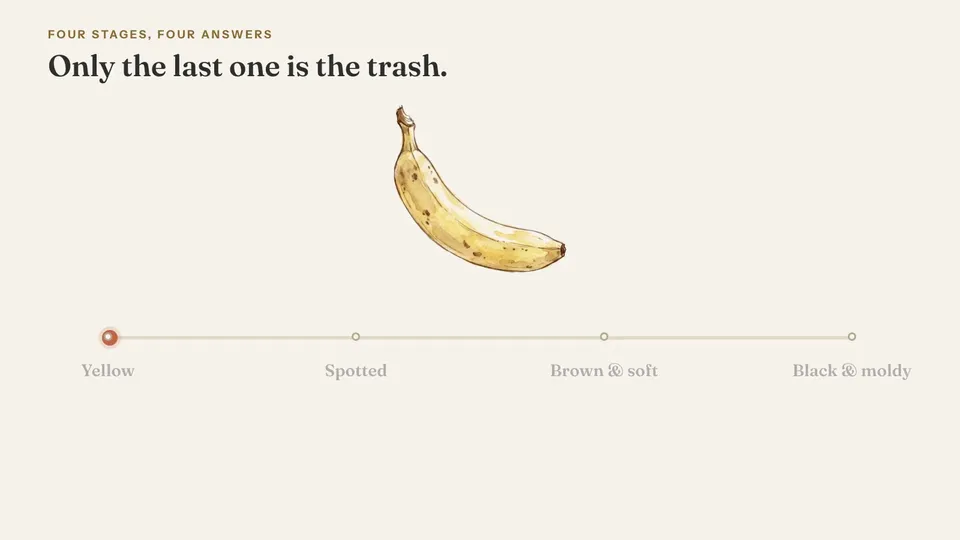
Stage 1 · LimpWilted isn’t spoiled. Give it a drink.
Limp produce has mostly just lost water, and you can put it back. This works for greens, herbs and stalks. It doesn’t fix anything slimy, moldy or smelly; that’s a different stage.
Step 1: Leafy greens: ice water, 30 minutes · 30 min
Lettuce, spinach and arugula: tear lettuce leaves (no need for spinach or arugula), soak in a bowl of ice water for 30 minutes, then spin them dry.
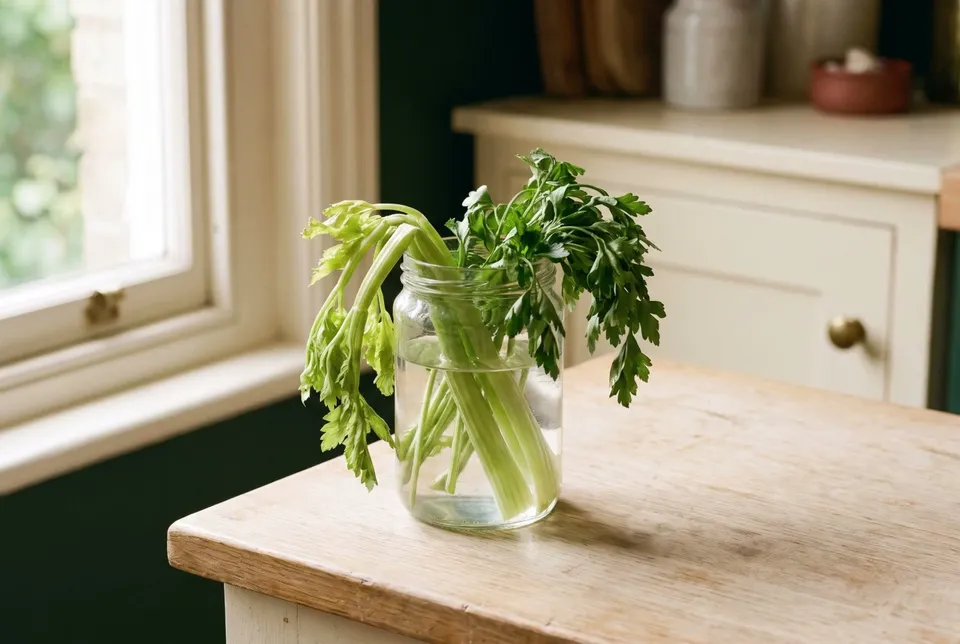
Step 2: Stalks and stems: stand them up · about 1 hour
Celery, broccoli, asparagus, scallions and parsley: trim the ends at an angle and stand them up in a container of cold water in the fridge, like flowers. About an hour later they’re much perkier.
Step 3: Then use them soon
Revived produce is crisp again, not new again. Put it at the front of the drawer and plan it into a meal in the next day or two.
Shop this
Stage 2 · Very ripeToo soft to eat raw? Cook it or freeze it.
This is the stage most people mistake for the end. It isn’t. Very ripe produce is often at its most flavorful; it just needs a new job. Either cook it today, or freeze it today for a later job. (If it’s a vegetable, No. 02 will happily take it for tonight’s dinner.)
Brown bananasThe browner the banana, the better the bread.
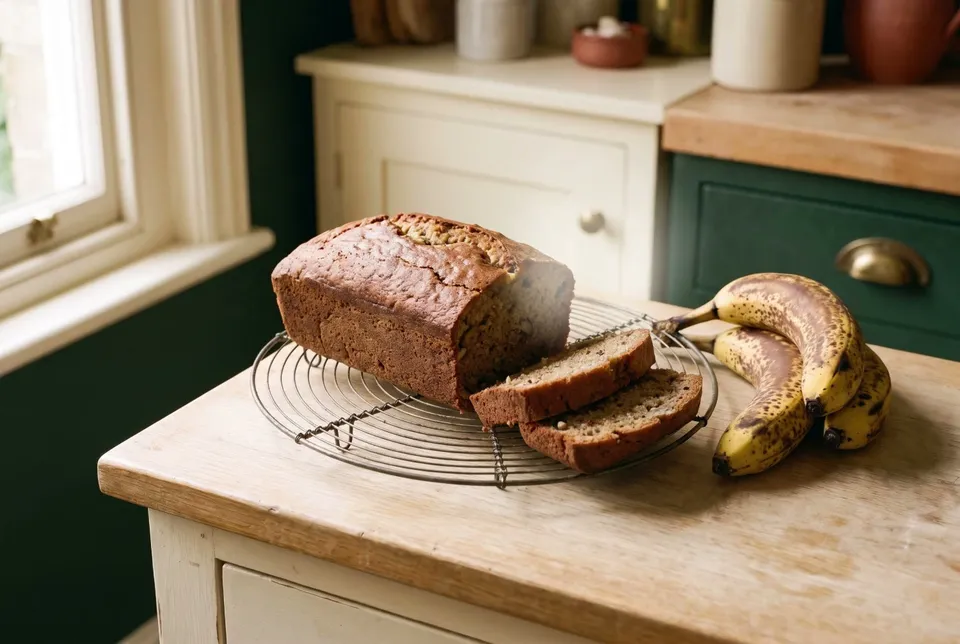
Makes 1 loaf, 12 slices. Heat the oven to 350°F and grease a loaf pan. Mash 3 large very ripe bananas, then mix in 1 egg, 2 tablespoons vegetable oil, ⅓ cup milk, ⅓ cup sugar, 1 teaspoon salt, 1 teaspoon baking soda and ½ teaspoon baking powder. Stir in 1½ cups flour just until it’s moistened, about 20 seconds; lumps are fine. Bake about 45 minutes, until a toothpick near the middle comes out clean, and cool 5 minutes in the pan. Not baking today? Peel and mash them, and freeze the mash in a bag for a later loaf.
Wrinkly applesApplesauce, with nothing added.
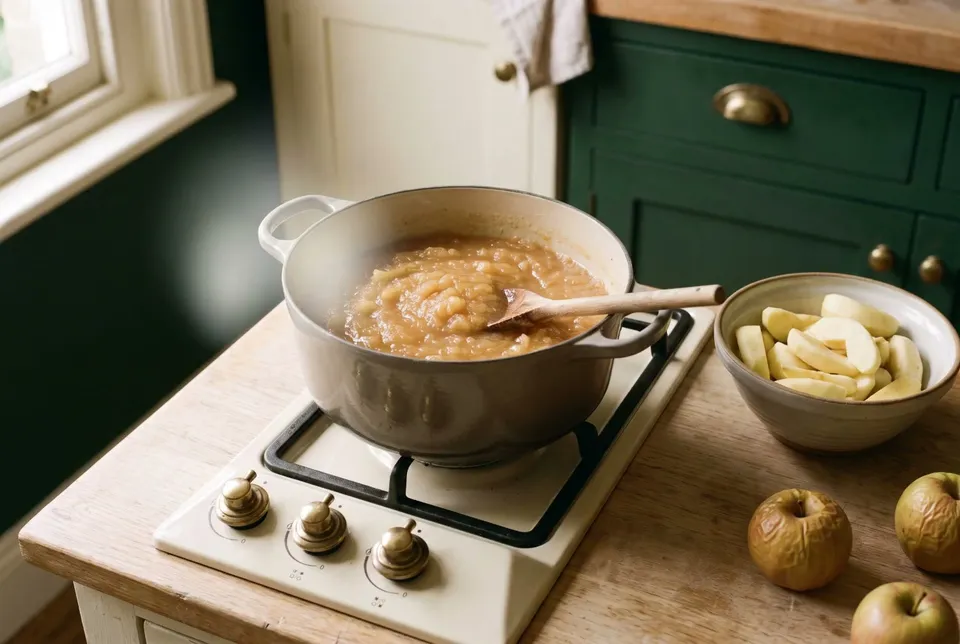
Peel, core and slice the apples. Put them in a pot with ½ cup water and heat until they’re tender, 5 to 20 minutes depending on the apples, stirring so they don’t scorch. Mash them, or press them through a sieve if you like it smooth. Sugar is optional. About 3 pounds of apples make a quart. It keeps about 3 weeks in the fridge, or freeze it.
Everything elseFreeze it the right way, today.
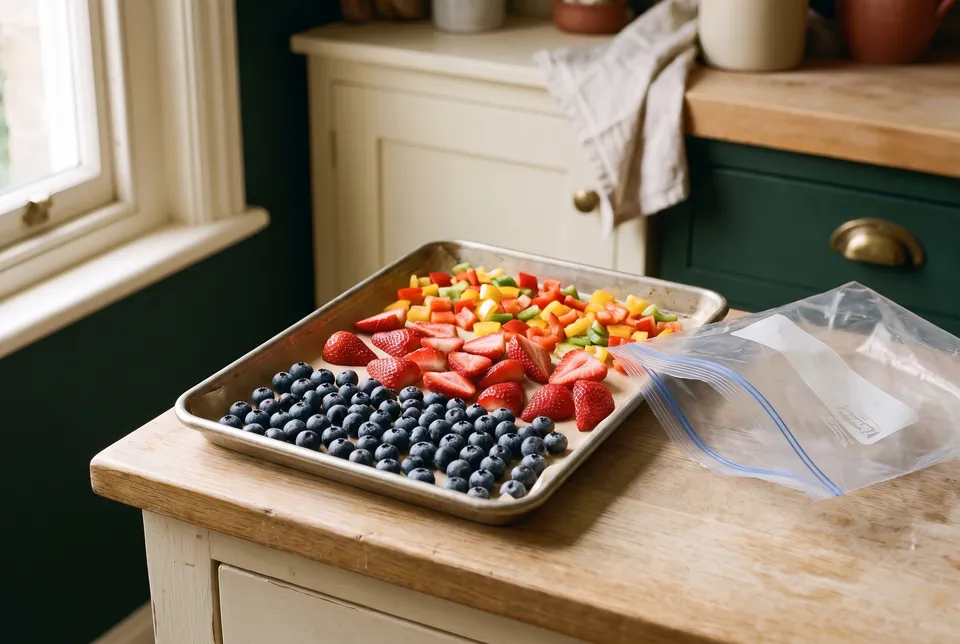
Berries and cut fruit: tray-freeze
Spread them in a single layer on a sheet pan, freeze until hard, then bag them. They stay loose, so you can pour out a handful for smoothies or baking.
UseNordic Ware Baker’s Half Sheet · King Arthur unbleached parchment, half-sheet
Peppers and onions: no blanching
Chop peppers and dice onions (about ¼-inch pieces), tray-freeze, then bag. They’re for cooking after this, not for salads.
Other vegetables: blanch first
Blanching is a quick dunk in boiling water, then into ice water. It stops the vegetable from losing color and flavor in the freezer. Times in boiling water: broccoli 3 minutes, green beans 3, sliced carrots 2 (small whole ones 5), spinach and most greens 2, cauliflower 3. Cool, drain, and freeze in bags with the air pressed out.
Tomatoes: for cooking only
Dip in boiling water for 30 seconds to loosen the skins, then core, peel and freeze them whole or in pieces. Thawed, they’re soft, so they’re for sauces and soups.
Bananas
Peel and mash, then freeze in a bag. Best within 2 to 3 months.
How long it keeps
Frozen fruits and vegetables are best within 8 to 12 months at 0°F. After that they’re still safe, just less tasty.
Stage 3 · A spotA bruise, a spot, a sprout: cut it, carefully.
- B
A bruise — No fuzz, no slime, no off smell? It’s just damaged. Cut the bruised part away and use the rest.
- F
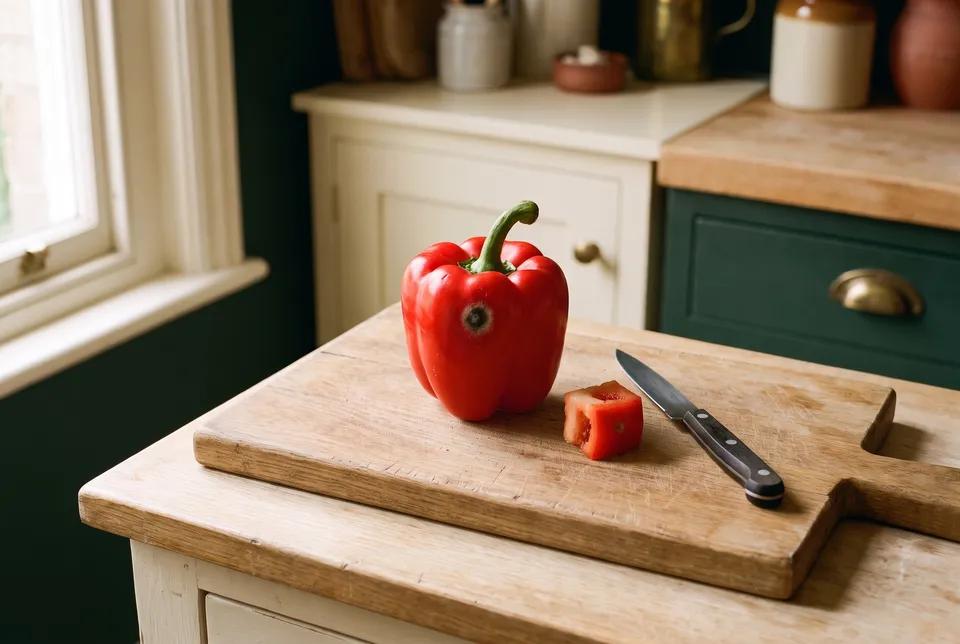
Mold on firm produce — Cabbage, bell peppers, carrots and other firm produce: cut at least 1 inch around and below the spot, and keep the knife out of the mold itself so you don’t drag it through the good part.
- S
Mold on soft produce — Tomatoes, cucumbers, peaches and other soft, juicy produce: throw it out. The mold’s roots can run deep where you can’t see them. And don’t sniff a moldy thing to check it; that’s a lungful of spores.
- P
Sprouted or green potatoes — Small sprouts on a firm potato: cut them out, along with any green parts, and cook the rest. Long sprouts (an inch or more), a shriveled potato, or green under the skin: toss it. Cooking doesn’t remove the bitter toxin in the green parts.
Stage 4 · Let it goThe line is clear. Don’t argue with it.
Covered in mold, slimy, leaking, or smelling off: it goes, no rescue. Check what it was touching, because mold spreads quickly through a bag or a bowl of fruit, and give the drawer a wipe. That’s not wasted effort; it’s how you save the produce that was sitting next to it.
“Limp gets water. Ripe gets cooked or frozen. A spot gets a knife. Mold on soft produce gets the trash.”
5 · Slow it downWhere it lives decides how long it lasts.
Some fruits give off a gas called ethylene that makes things around them ripen, and spoil, faster. Apples, bananas, cantaloupe and tomatoes are the big ones. Keep them away from greens and other produce that wilts easily, and keep onions away from potatoes, which they make sprout.
On the counter
Tomatoes (the fridge dulls their flavor), bananas, and anything still ripening. Potatoes, onions and whole garlic go somewhere cool, dark and dry, not the fridge.
The crisper drawers
The high-humidity drawer is for things that wilt: greens, herbs, broccoli, carrots. The low-humidity drawer is for things that rot: most fruit.
How long it keeps in the fridge
Berries 2 to 3 days; leaf lettuce and spinach 3 to 7; broccoli 3 to 5; cucumbers 4 to 6; bell peppers 4 to 14; celery 1 to 2 weeks; carrots 2 to 3 weeks; apples 4 to 6 weeks. An opened bag of greens: about 2 days.
And when produce is past the point of a rescue but your leftovers aren’t, No. 06 has the next uses for those.
Quick referencePin this.
Sources: USDA FSIS, Molds on Food: Are They Dangerous? and FoodKeeper data · FDA, Selecting and Serving Produce Safely · CDC, Preventing Food Poisoning · National Center for Home Food Preservation: blanching times, tray packing, peppers, onions, tomatoes, bananas, storage times, applesauce, garlic in oil and pesto · University of Arkansas Cooperative Extension, Classic Banana Bread · Iowa State Extension, sprouting and greening potatoes and crisper drawers · Utah State and University of Maine Extension on ethylene · America’s Test Kitchen, How to Revive Wilted Vegetables and The Best Way to Revive Wilted Produce, plus reviews of salad spinners, mixing bowls, loaf pans, baking sheets, parchment and paring knives. Checked October 4, 2026. HearthIQ may earn a commission on product links.