Shop Your House First · No. 13 of 20
Potatoes: Which Kind to Use and Why
Fluffy, in-between or firm: which potato each dish wants, how to keep a bag from sprouting, when a sprouted or green one is still fine, and how last night’s mash becomes tonight’s potato cakes.
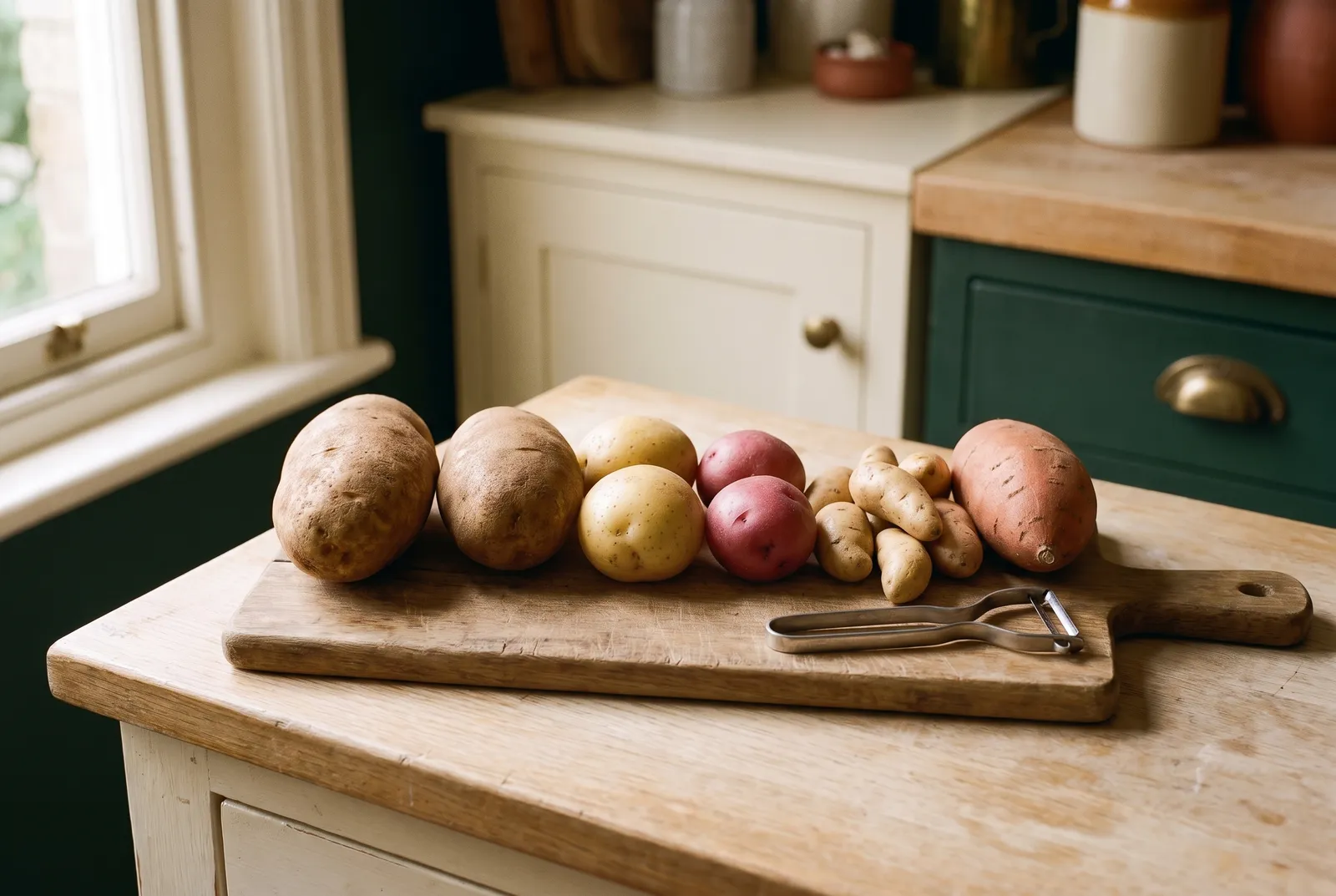
There are basically three kinds of potato, and most potato disappointments come from using the wrong one: the potato salad that turned to mush, the mashed potatoes that went gluey, the roasted potatoes that never got crisp. Here’s which potato for which dish, how to keep a bag from sprouting, what to do when one has, and how to turn last night’s mashed potatoes into tonight’s potato cakes.
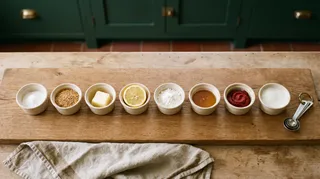
No. 07 swapped ingredients by the job they do. With potatoes, the job comes down to one thing: how much starch is inside. More starch means drier and fluffier; less starch means firmer and creamier. Know that, and you know which one to grab.
1 · Which potatoFluffy, in-between, or firm.
Starchy: russets (baking or Idaho potatoes)
Dry and fluffy. The one for baked potatoes, mashed potatoes and fries. Not for potato salad: they fall apart.
In-between: Yukon Gold and other yellow potatoes
Creamy and velvety, with a little more hold. They roast beautifully, mash smooth and rich, and make good hash browns and potato salad. If you only buy one kind, buy these.
Waxy: red, new and fingerling potatoes
Firm and moist; they hold their shape. Best for potato salad, boiling, roasting whole or in wedges, and smashed potatoes. Mashed, they get dense and can turn pasty.
Sweet potatoes
A different vegetable altogether, but most behave like a starchy potato: great baked, roasted or mashed. Keep them somewhere cool but not cold, and use them within 2 to 3 weeks.
2 · How to keep themNot warm, not cold. Cool and dark.
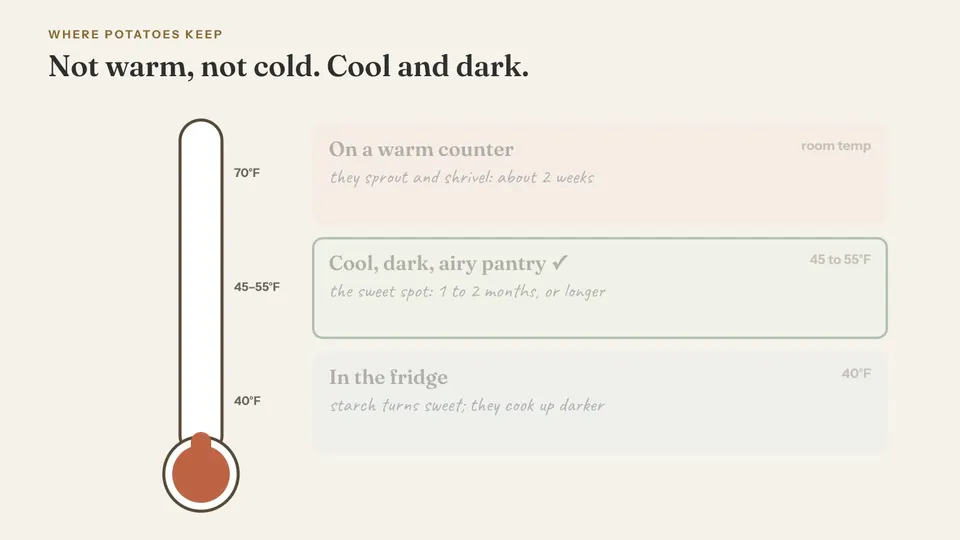
Keep potatoes somewhere cool, dark, dry and airy: a basket, a paper bag, a bin in the pantry or a cool closet. Around 45 to 50°F is ideal, and there they’ll keep a month or two, often longer. At warm room temperature, plan on about 2 weeks. Light turns them green, so keep them covered or in the dark. And keep them away from onions; stored together, both spoil faster (more on that in No. 11).
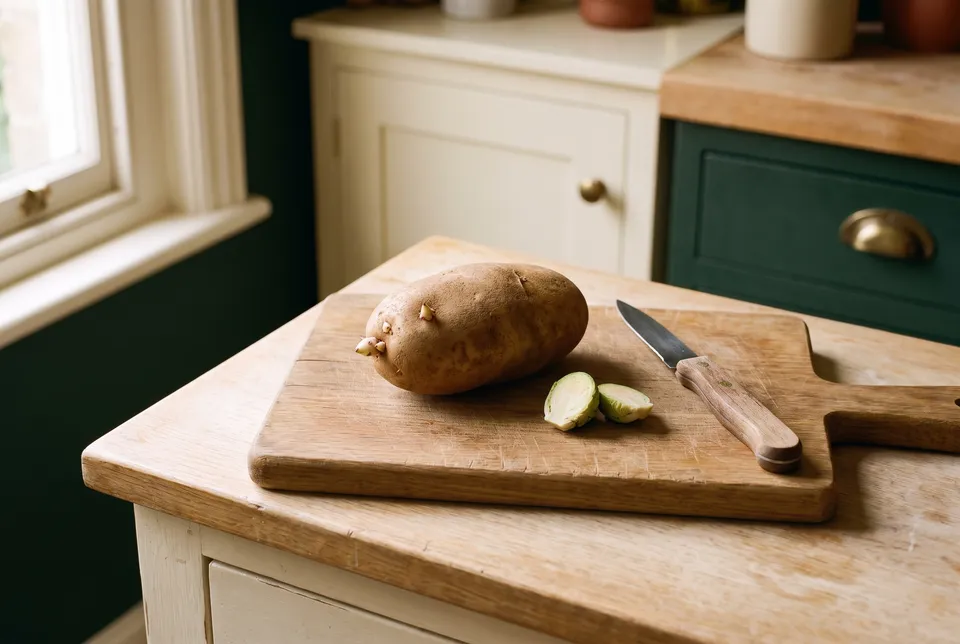
3 · Sprouted or green?A small sprout is fine. A long one isn’t.
- ✓
Firm, with small sprouts — Cut the sprouts out, plus a little around them, and use the rest.
- ✓
A little green on the skin — Peel it and cut the green parts out completely.
- ✗
Long sprouts or shriveled — Sprouts an inch or longer on a soft, shriveled potato: toss it.
- ✗
Green beneath the skin — If the green goes into the potato, toss it. The bitter compound in the green parts and sprouts isn’t destroyed by cooking.
4 · The basicsBaked, boiled, mashed, roasted.
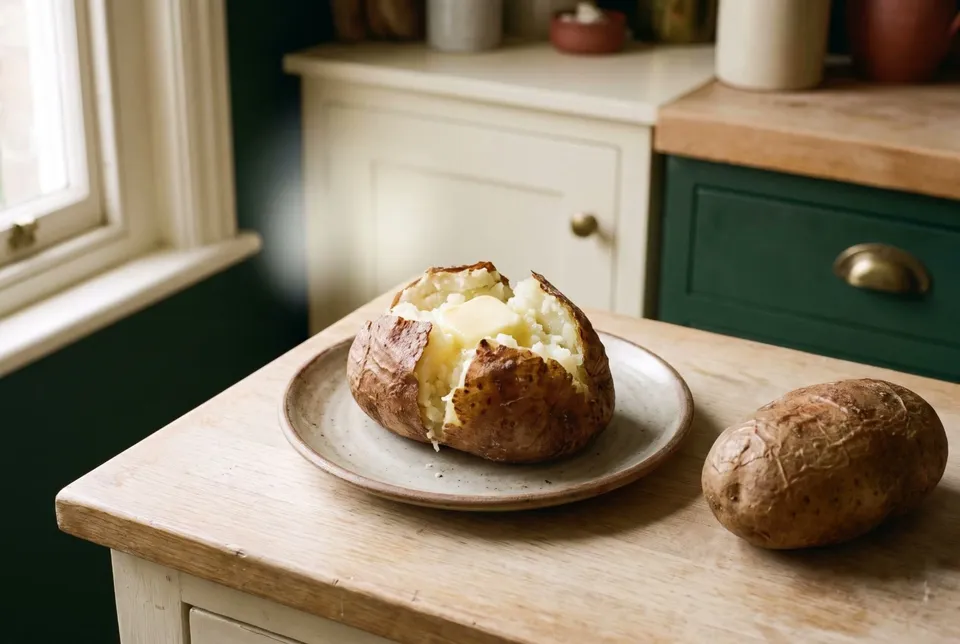
Step 1: Baked · 45 min to 1 hr
Russets, scrubbed and pricked a few times with a fork, straight on the rack at 450°F for 45 minutes to 1 hour, until the middle reads 205°F (up to 212°F) on a thermometer. That heat gives you crisp skin and a fluffy inside. A 400°F oven works too, in about 45 minutes; the skin just comes out softer.
Step 2: Boiled · 15 to 20 min
Start them in cold salted water, covered by about an inch. Cut into 1½-inch pieces, they’re fork-tender in 15 to 20 minutes; whole medium potatoes take 30 to 40.
Step 3: Mashed
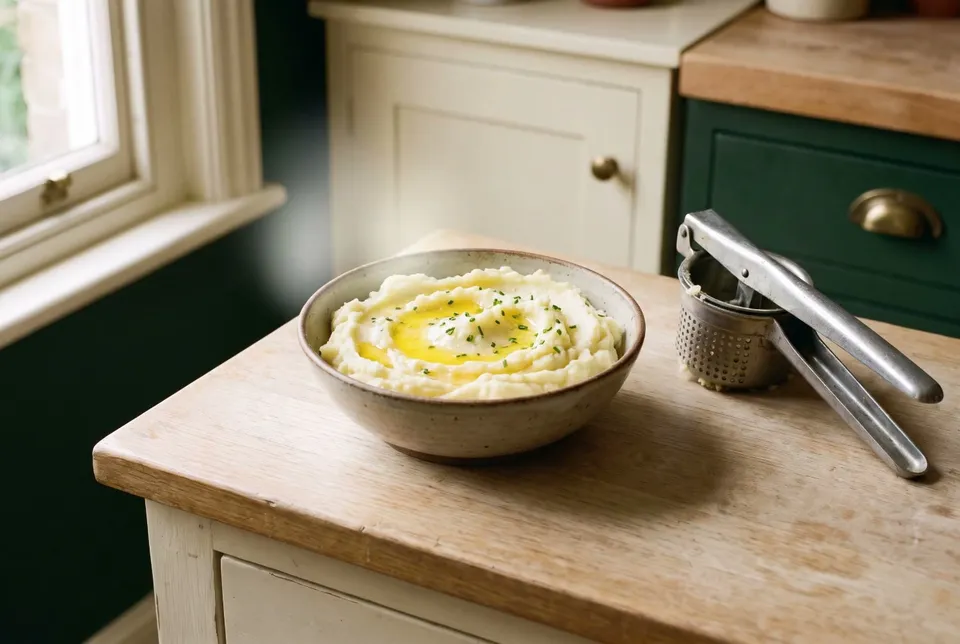
Per pound of potatoes, about 4 tablespoons butter and ½ cup warm half-and-half (or milk), plus salt. Stir the melted butter in first, then the liquid: the butter coats the starch so it doesn’t go gluey. A ricer gives the smoothest result; a masher, a chunkier one.
Step 4: Roasted · 35 to 40 min
Cut into wedges or chunks, toss with oil and salt, and roast at 425°F until golden and tender, 35 to 40 minutes, turning once. Red or Yukon Gold potatoes stay moist inside.
Shop this
- Chef’n FreshForce Potato RicerThe smoothest mash · ATK winner, potato ricersamazon.com
- Misen MasherFor chunky mash · ATK winner, potato mashersamazon.com
- OXO Good Grips Swivel PeelerATK winner, vegetable peelersamazon.com
- ThermoWorks ThermoPop 2Check the 205°F · ATK Best Buy, instant-read thermometersamazon.com
5 · Prep aheadPeeled potatoes can wait a day, in water.
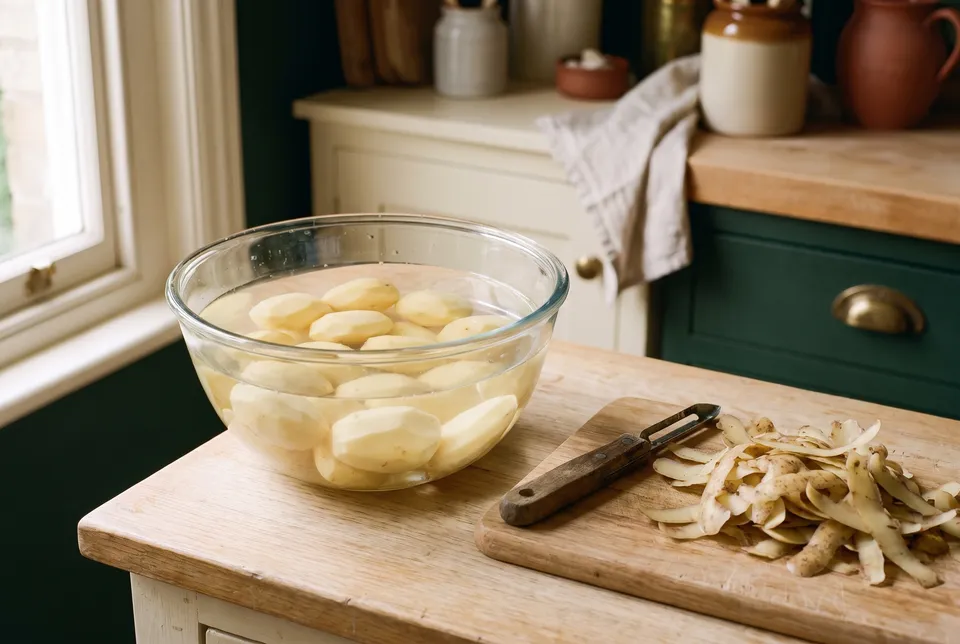
Peeled, cut potatoes turn brown in the air. To get ahead, cover them with cold water (a little lemon juice or vinegar helps) and keep them in the fridge for up to a day. One honest trade-off: a long soak does wash out a little of the vitamins, so don’t make it a habit. Going to fry or roast them? A 15- to 30-minute soak before cooking, then a good pat dry, also cuts down on acrylamide.
6 · LeftoversLast night’s mash is tonight’s potato cakes.
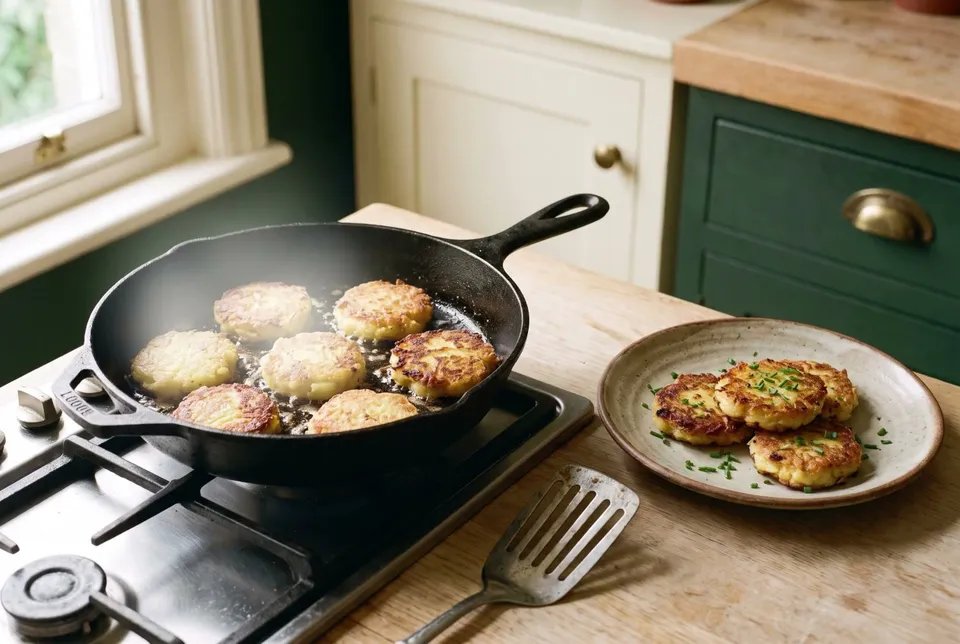
Makes 7. Mix 2 cups cold mashed potatoes (leftovers, or instant flakes made up), ½ cup flour and 2 tablespoons finely chopped onion. Pat it out on a floured board about ½ inch thick and cut 3-inch rounds. Chill them until you’re ready, then fry in 2 tablespoons oil over medium heat, browning both sides. About 25 minutes, start to finish.
How long cooked potatoes keep
Into the fridge within 2 hours, in shallow containers; eat within 3 to 4 days and reheat to 165°F.
Freezing
Mashed potatoes freeze reasonably well; cooked chunks and baked or boiled whole potatoes go watery and mealy. Raw potatoes don’t freeze at all; they turn rubbery. Whatever you freeze, use it within a few weeks.
Baked potatoes in foil: a real safety rule
A foil-wrapped baked potato left at room temperature is a known botulism risk. Keep it hot (140°F or more) until it’s served, or loosen the foil and refrigerate it right away.
Quick referencePin this.
Sources: USDA FSIS, FoodKeeper data, Leftovers and Food Safety and Botulism · CDC, Botulism Prevention · FDA acrylamide guidance for consumers · National Center for Home Food Preservation, Preserving Potatoes and foods that do not freeze well · Extension: Iowa State, sprouting and greening potatoes, NDSU, Let’s Enjoy Potatoes, Penn State, Utah State, University of Maine, University of Missouri, Potato Cakes · Idaho Potato Commission on holding peeled potatoes · America’s Test Kitchen on potato types, the perfect baked potato, mashed and roasted potatoes, plus reviews of ricers, mashers, peelers and thermometers. Checked October 4, 2026. HearthIQ may earn a commission on product links.